Bitcoin Mining Difficulty Hits Record High, Centralization Worries Grow



Rising energy demands push smaller miners and corporations out of the game
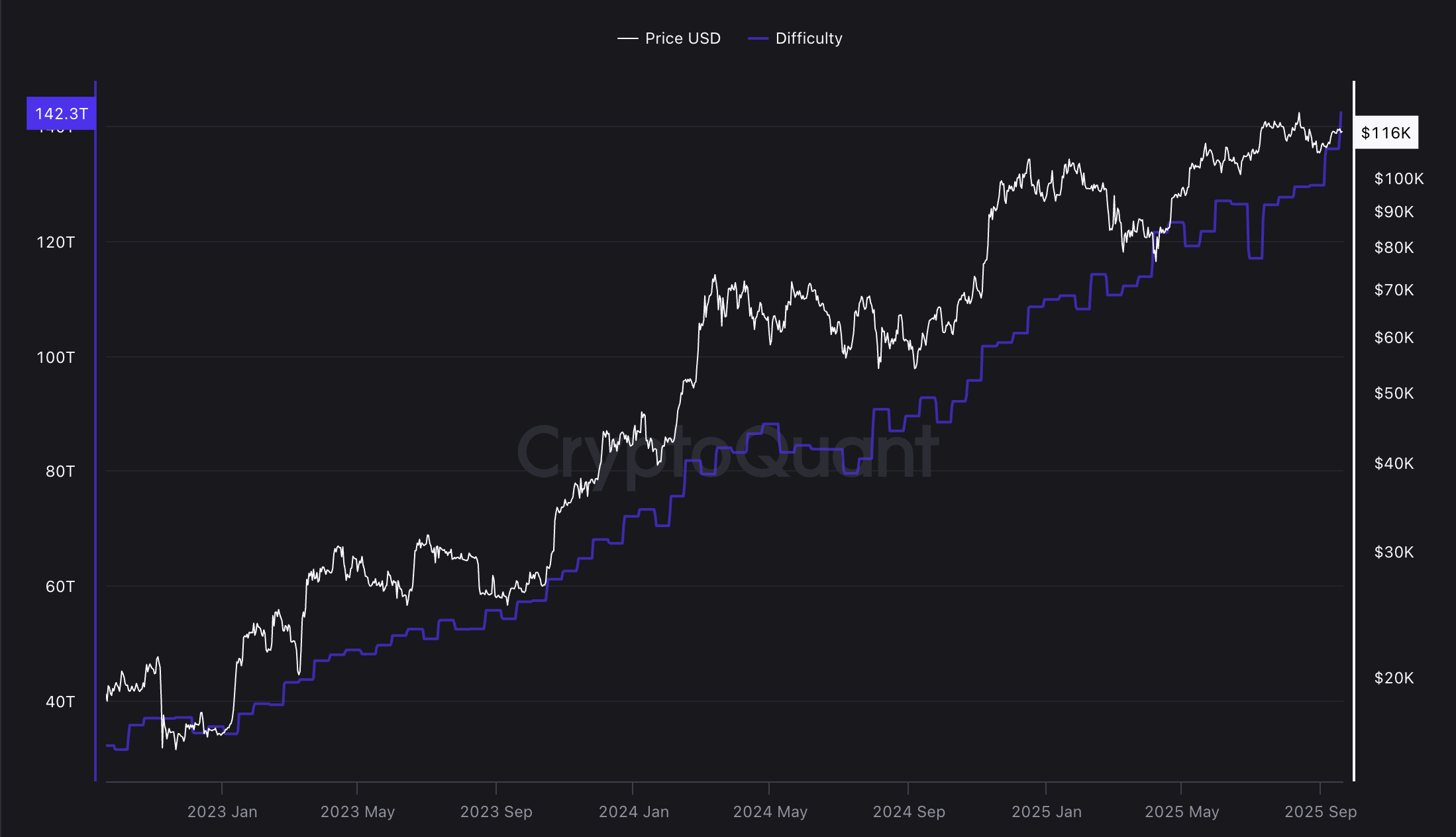
Bitcoin mining difficulty has surged to a fresh all-time high of 142.3 trillion, underscoring the growing challenge of securing the network. The spike, recorded on Friday, follows consecutive highs in August and September, fueled by the deployment of vast new computing power.
The network’s hashrate – a measure of the total computing resources backing Bitcoin – also climbed to an unprecedented 1.1 trillion hashes per second, according to CryptoQuant.
But while the network grows stronger, the rising costs of energy and hardware are squeezing smaller miners and even listed corporations, stoking fears that Bitcoin mining is becoming increasingly centralized.
Governments and energy giants tighten grip on mining power
Industry analysts note that public companies are struggling to keep pace as governments and energy providers step into mining with major advantages. Nations such as Bhutan, Pakistan, and El Salvador have already begun harnessing excess or surplus energy for Bitcoin mining.
Pakistan, for example, announced plans in May to dedicate 2,000 megawatts of surplus energy to mining as part of its broader crypto adoption strategy.
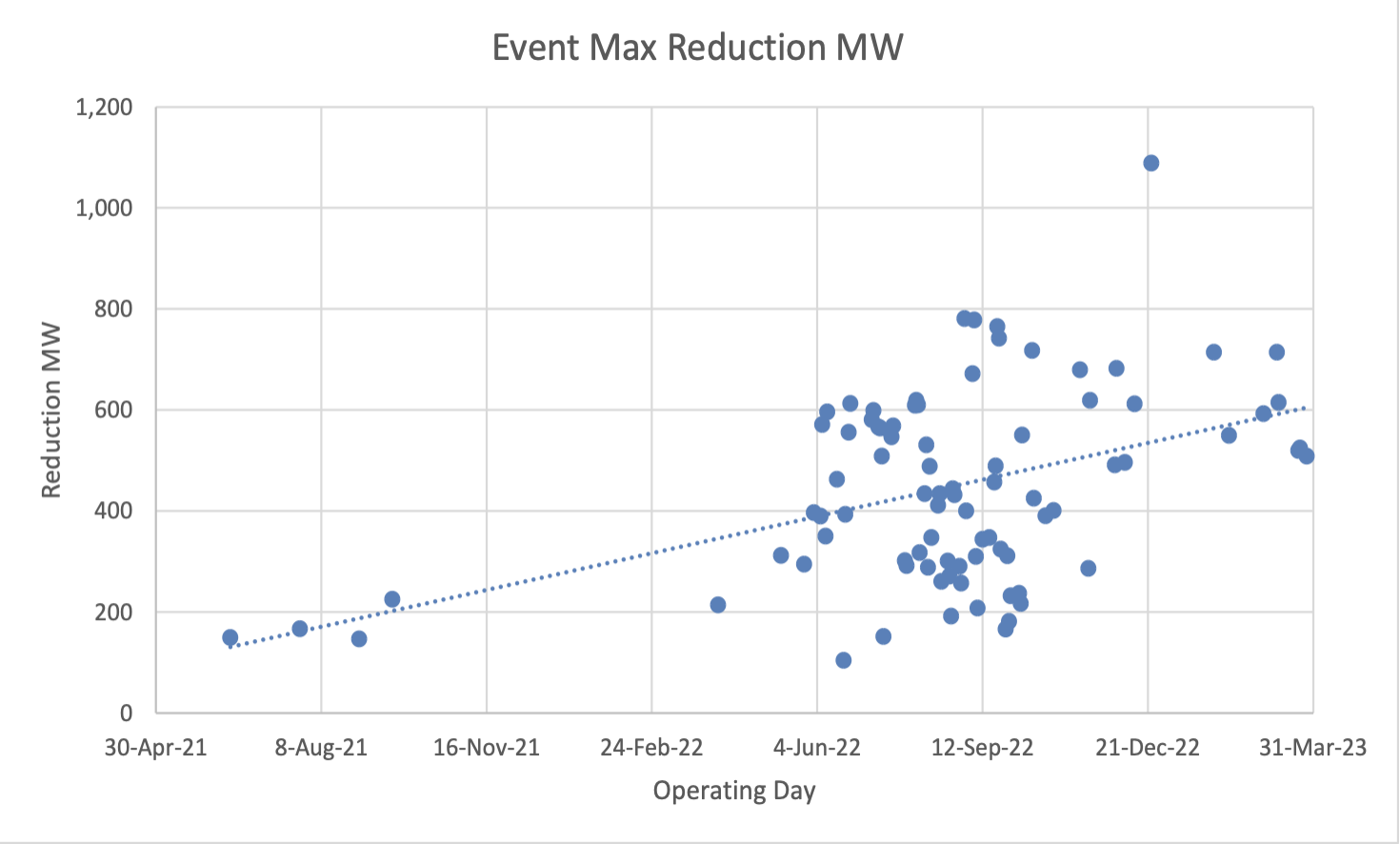
In the US, Texas energy firms are using Bitcoin mining as a tool to balance the electrical grid. By running miners during low demand and shutting them down during peak consumption, providers generate profits without worrying about energy costs – a competitive edge that listed mining firms paying market rates can’t match.
This growing role of governments and energy giants in Bitcoin mining has raised alarms among decentralization advocates, who fear that the original ethos of Bitcoin could be at risk as smaller players are forced out.